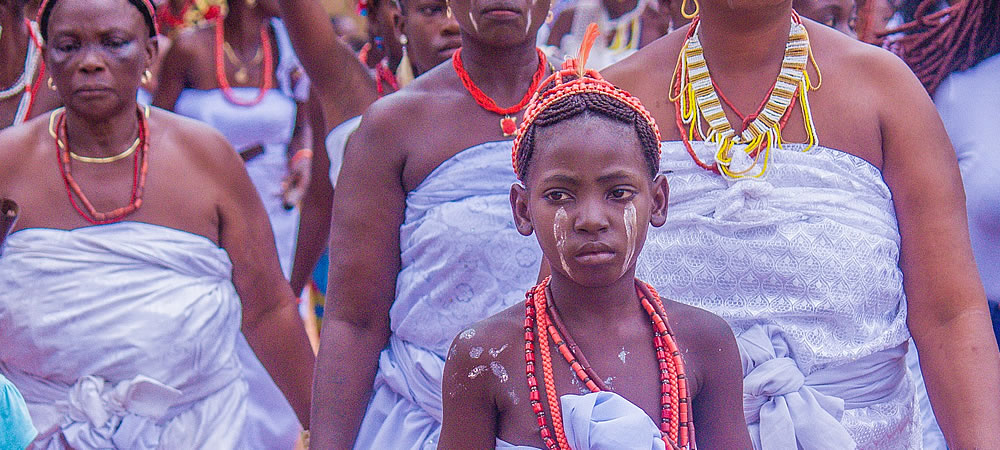
Ilara-Mokin is an town located in a central part of Ifedore local government of Ondo State. Ilara-Mokin is well known for her rich and preserved culture, academics, agriculture and tourism.
According to oral history, the first Alara, or King, of Ilara Mokin was Obalufon Modulua Olutipin, who is said to be the same person as Obalufon Ogbogbodirin or Obalufon Alayemore, rulers of Ife between the 14th and 16th centuries whom established many different settlements before returning to Ile-Ife to rule. They were direct descendants of the semi-legendary Yoruba founder Oduduwa. Among those settlements was what is now known as the town of Ilara-Mokin. He led his family and supporters from Ile-Ife, to a site in modern-day Ekiti region, and placed his son Ayajo on the throne before returning to Ile-Ife. The people, known as the Ará people (a Yorùbá) word meaning relative, or family, migrated for several centuries in the region until they arrived at a permanent location for safety and resources in the 1840s-1850s as civil wars plagued Yorubaland, which is their present location.
The name Ilara-Mokin comes from the contraction of the phrase, “Ilé ará mọ̀ ọ̀kín” (in the native Èkìtì dialect, “Ulé ará mọ̀ ọ̀kín), meaning “The House of Ará knows the ọ̀kín bird. The word ọ̀kín, now attributed to the peacock in modern days, originally referred pure white bird known for its beautiful feathers, and said to represent royalty and prestige. It is often called “Ọba Ẹyẹ,” “King of the Birds.” The phrase was later contracted to ” Ìlárá-Mọ̀kín,” or “Ùlárá-Mọ̀kín.” As a town in the Ekiti region, it was influenced significantly by the Akure Kingdom and Benin Kingdom. During the Kiriji War, Ilara served as the headquarters for the spy unit of the Ekiti-Parapo army.
The town consists of 5 historical sections that arose from the migration of different groups to the present location. Each of the groups are lead by one or a series of chiefs.
- The first one, Okè-Òde, also known as Luarẹ, consist mainly of migrants from surrounding towns like Àkúrẹ́, Ìgbàrá-okè, and Ìkọta. The second and third in command chiefs of the town, the Ọbaálá and Lísà, are the leaders of this section. Other chiefs from this section include the Arálọyìn, Ọṣíndílẹ̀, and Sẹ́lẹ́mọ.
- The second one, Odò-Ùgbẹyìn, are the oldest section of the town, and include members of the royal family. As such, the Alárá, or king of the town comes from this unit. The leading chief of the section is the Ọ̀ṣọgbọ́n.
- The others are the Ùró (Okè-Ìró), which is led by the chief Sáo, the Awo (or Ao), of which the chief Aláwo or Aláo leads, and the Ùdọ̀fin (Ọ̀dọ̀fin), of which the chief Ọ̀dọ̀fin is the leader.